The Evolution of Digital Entertainment in Japan: How Cryptocurrency Gaming Platforms Like BTC Roulette Are Reshaping Online Leisure in 2026
The Evolution of Digital Entertainment in Japan: How Cryptocurrency Gaming Platforms Like BTC Roulette Are Reshaping Online Leisure in 2026
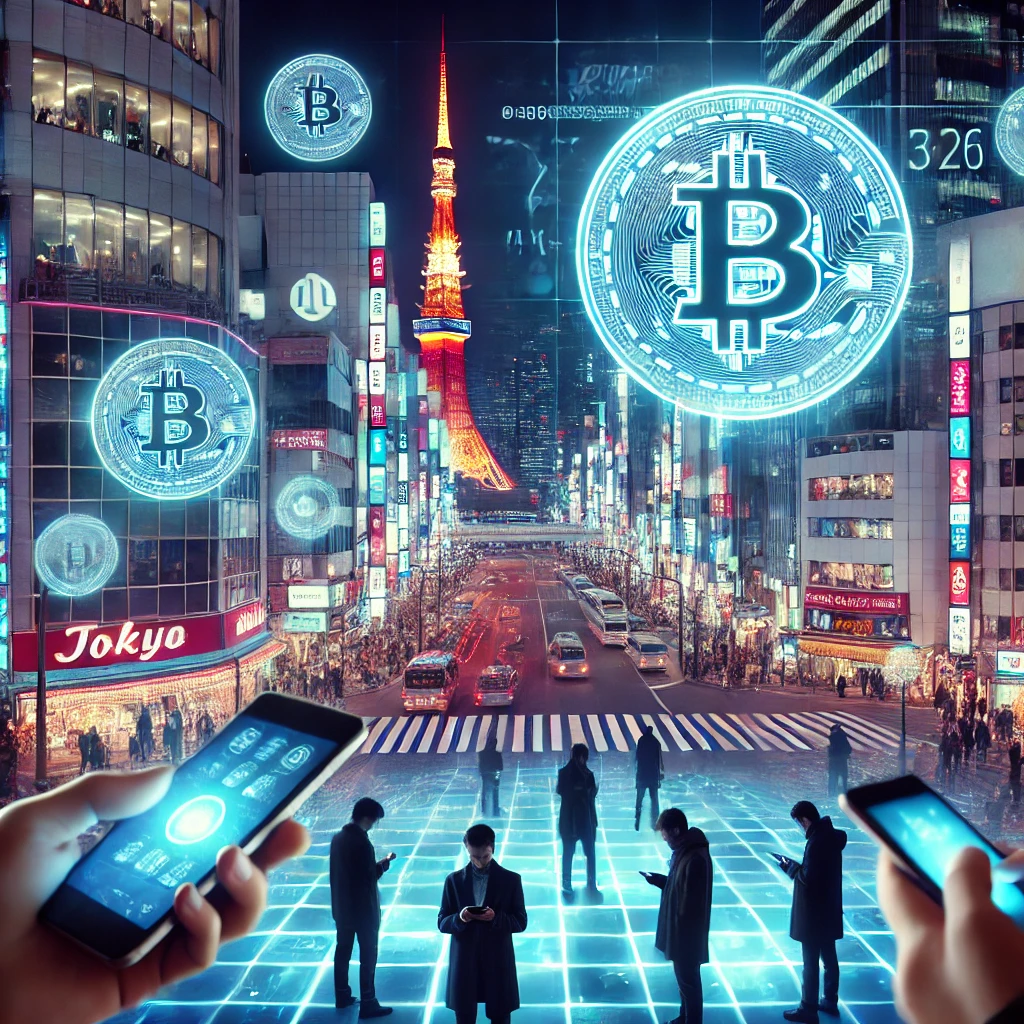
Walk through Akihabara or Shinjuku right now—2026—and you'll feel it immediately. Something's shifted.
The neon still glows, same as always. Energy's buzzing like it never stopped. But that noise? The mechanical roar spilling out from old-school game centers? It's fading fast. The action didn't die—it just moved. From those packed, neon-lit arcades straight into the phone sitting in your pocket.
I've been tracking Japan's digital scene for years now, and what I'm seeing isn't just evolution. It's a complete reimagining of what entertainment even means here. The infrastructure of fun itself changed at the foundation level. The wiring underneath everything we do for leisure got ripped out and rebuilt.
Japan's always led tech trends globally—always has, always will. But this? This goes deeper than sharper graphics or faster chips. We're talking about the financial backbone of how people spend their downtime. In 2026, blockchain and gaming aren't just coexisting politely in separate lanes. They're fused together. Digital assets and entertainment became the same conversation, and honestly? It's reshaping Japanese leisure in ways I didn't predict even two years back.
Japan's Digital Entertainment Revolution: A 2026 Perspective
By 2026, Japan locked in as a hyper-connected society. No question. The infrastructure here? Unmatched globally. 6G networks are rolling out across Tokyo and Osaka right now, delivering zero-latency interactions that were pure theory back in 2023. Felt impossible then. Normal now.
But here's the thing—it's not just about speed.
It's about culture. How people think about digital space.
I remember when folks drew hard lines between 'real life' and 'online life.' Like they were separate dimensions you'd cross into. That boundary? Gone. Completely erased. Digital entertainment isn't an escape anymore—it's a layer of daily reality itself, woven into everything. Japanese consumers have always demanded quality, right? High standards, precision, obsessive attention to detail. Now they expect entertainment platforms to be secure, slick, and seamless. No compromises. No patience for clunky interfaces or sketchy security.
This tech-forward mindset created perfect conditions for next-gen gaming platforms to explode. And I mean explode—not grow steadily, but detonate across the market.
The Rise of Cryptocurrency in Japanese Gaming Culture
One development I've watched closely? Crypto adoption in gaming. Japan was early regulating exchanges—way back when most countries were still scratching their heads about what Bitcoin even was. By 2026, that regulatory framework matured into something stable. Trusted, even.
Crypto isn't just for day traders anymore. It's a utility. A practical tool people use without thinking twice.
Think about the old friction with funding gaming accounts. Bank transfers took forever. Credit cards had limits and required verification calls. Waiting periods drove you nuts. Now? Japanese gamers hold Bitcoin, Ethereum, stablecoins as part of their normal financial toolkit—and they use them directly for entertainment. The blockchain integration got so smooth that most users don't even realize they're interacting with distributed ledgers. They just know deposits hit instantly and withdrawals process in minutes instead of days.
That's the real shift. From obstacle to invisibility.
BTC Roulette and Cryptocurrency Casino Platforms: The New Frontier
So let's talk about the platforms capturing attention right now. Specialized crypto-gaming sites are surging in popularity across Japan. These aren't the clunky, glitchy sites from the early 2020s—those felt amateur hour, honestly. Today's platforms? Sleek as hell. Immersive in ways that rival high-end video games in pure user experience.
Game variety expanded massively over the past few years, but classics remain absolutely dominant. Reimagined for blockchain, obviously, but still recognizable.
Case in point: table games played with cryptocurrency. I've noticed Japanese players migrating toward platforms offering btc roulette in huge numbers this year. The appeal makes perfect sense—classic game mechanics everyone already understands, combined with Bitcoin betting's modern advantages. Old meets new in the best possible way. A spinning wheel that's entertained people for centuries, now powered by the currency of tomorrow.
Perfect synthesis, really.

Why Cryptocurrency Gaming Appeals to Japanese Players
Why the shift, though? What's actually driving this migration? I've analyzed patterns and talked to local players directly over the past year. A few key factors consistently stand out:
- Privacy (Honne and Tatemae): Japanese culture separates public face from private feelings—always has, probably always will. It's baked into how society functions here. Crypto gaming offers anonymity that traditional banking just can't touch. Players enjoy their leisure time without transactions appearing on bank statements, which respects that deep cultural divide between what you show publicly versus what you do privately.
- Speed and Efficiency: Japan moves fast. Period. No debate there. Depositing funds and starting to play btc roulette or slots within literal seconds—then withdrawing winnings just as quickly—aligns perfectly with how people here expect things to work. There's zero patience for delays or friction in the process.
- Lower Fees: Transaction fees steadily eat into bankrolls over time. It adds up painfully. Crypto transactions, especially on optimized networks, cost a fraction of what fiat transfers demand. The math is brutally simple, and players notice.
The Technology Behind Provably Fair Gaming
Here's the critical factor for the Japanese market specifically: trust. This society values transparency at a foundational level. Demands it, actually, more than most cultures I've observed.
Enter 'Provably Fair' technology—and this changed everything. Traditional online casinos? The code's a complete black box. You're trusting blindly, hoping the operator isn't rigging outcomes. No way to verify anything. Modern crypto platforms use cryptographic algorithms that let players verify every single result's fairness independently. You don't need to trust—you can check.
If I'm playing a game in 2026, I can pull up the hash of any round and confirm the outcome wasn't manipulated after the fact. That level of transparency resonates deeply with tech-savvy Japanese users who learned years ago to be skeptical of opaque systems. It builds trust that traditional operators literally can't replicate, no matter how much they pour into marketing budgets or brand reputation.
Mobile-First Entertainment: Japan's Smartphone Gaming Boom
Can't discuss 2026 digital leisure without addressing mobile dominance. Japan's always been mobile-first as a society—smartphone penetration is basically universal at this point. The classic image of the 'salaryman playing games on the train commute'? Cultural staple that's been true for over a decade now. But the games themselves evolved dramatically.
These crypto-gaming platforms are built mobile-first from the ground up—not desktop sites awkwardly shrunk down to fit smaller screens. They're genuinely optimized for vertical orientation and touch interfaces from day one. Whether you're on the Shinkansen racing between Tokyo and Kyoto, or grabbing coffee in some tiny Shibuya cafe, high-quality gaming is accessible instantly. No compromises in experience.
And crypto wallets on smartphones? Incredibly lightweight now. Funding gaming sessions is completely effortless, which drives adoption even faster in a feedback loop.
Regulatory Landscape and Future Outlook for Crypto Gaming in Japan
Japan's legal landscape has always been... let's say complex. Navigating regulations here requires patience and precision. But by 2026, real clarity finally emerged from the fog. The Financial Services Agency (FSA) worked hard over the past few years building a framework that protects consumers without suffocating innovation in the process. Token 'whitelisting' expanded significantly, giving users way more options without sacrificing safety or inviting chaos.
Plus—and this matters—the industry itself embraced self-regulation seriously. Major operators serving the Japanese market now follow strict standards around responsible gaming and anti-money laundering protocols. This maturity shed the 'wild west' reputation that plagued crypto's early days and scared off mainstream users.
I see a delicate balance getting struck here. The government acknowledged that digital assets aren't vanishing—they're permanent fixtures now—and chose regulation over outright prohibition. Smart move, honestly. It ensures a safer environment for everyone participating while keeping innovation alive and competitive.
Cultural Shifts: From Pachinko Parlors to Digital Platforms
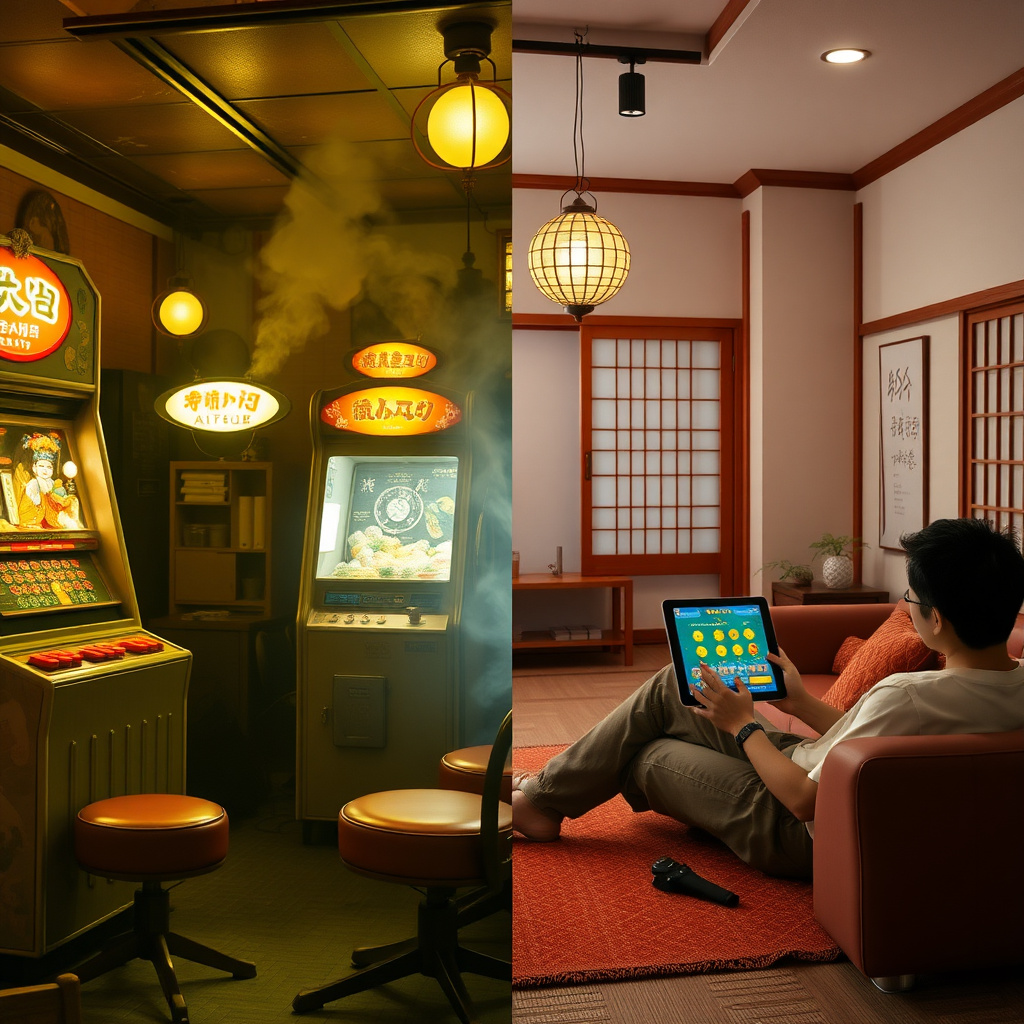
One of the most visible changes in Japanese cities over the past few years? The gradual, steady decline of traditional pachinko parlors. For literal decades, that deafening roar of steel balls ricocheting and the thick haze of cigarette smoke defined gambling culture here. Walk past any parlor in the 2010s and the sensory assault hit you immediately.
But younger generations—and increasingly older demographics too—are walking away from those physical spaces. Just... leaving them behind.
The migration to digital platforms represents a massive cultural pivot that goes beyond simple convenience. It reflects fundamental desires: better odds, cleaner environments, control over your own space and time. Why sit in a noisy, smoke-filled parlor for hours when you can enjoy sophisticated gaming from your living room? Or during your morning commute? Or on a lunch break?
The transition to digital platforms offering games like btc roulette isn't just a tech upgrade or generational preference. It's a lifestyle choice that fits modern Japanese values perfectly: smart, efficient living that doesn't waste time or health.
The Future of Digital Entertainment in Japan Beyond 2026
Looking ahead past this year? I think we're barely scratching the surface. Just the opening chapter of something much bigger.
As we move beyond 2026, the Metaverse and Virtual Reality (VR) will almost certainly merge with crypto-gaming in ways that feel inevitable now. Imagine walking into a fully immersive digital casino set in virtual Tokyo—visually indistinguishable from the real thing. Your avatar interacts with other players in real-time across the globe. You're placing cryptocurrency bets on a roulette table that feels completely real, where physics and haptics make it indistinguishable from sitting at a physical casino.
Japan's positioned perfectly to lead this next wave of innovation. You've got a population that's culturally open to technology and eager to adopt new systems. A regulatory environment that's finding its footing without crushing experimentation under bureaucratic weight. The fusion of cryptocurrency and entertainment is rapidly becoming the standard expectation, not some fringe exception.
The days of mentally separating 'digital assets' from 'entertainment money' as different categories? Over. Finished. In the future—which honestly feels like it's already arrived—they're the exact same thing. One unified financial ecosystem powering how we spend our leisure time.